Kanto · 東京
Tokyo →
Neighbourhood discoveries, city culture and day trips to the coast.
Start with 3–4 nights · editorial starting point
JAPAN · 日本 · AT YOUR PACE
Big-city energy or a little room to breathe? Find a place that fits you, then build a Japan journey around the things you love.
7 city guides · 6 new illustrations · local food, shorter outings and day trips
CHOOSE YOUR FIRST CHAPTER
These seven destinations have curated guides. For more places, browse Japan’s wider city atlas; atlas previews have less detail.
7 city guides
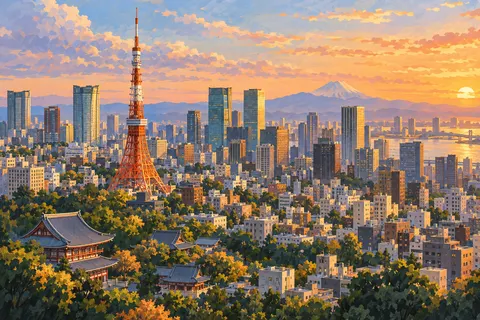
Kanto · 東京
Neighbourhood discoveries, city culture and day trips to the coast.
Start with 3–4 nights · editorial starting point
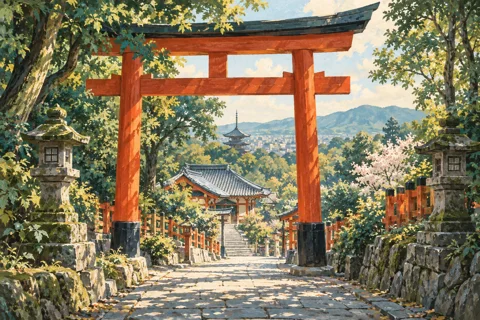
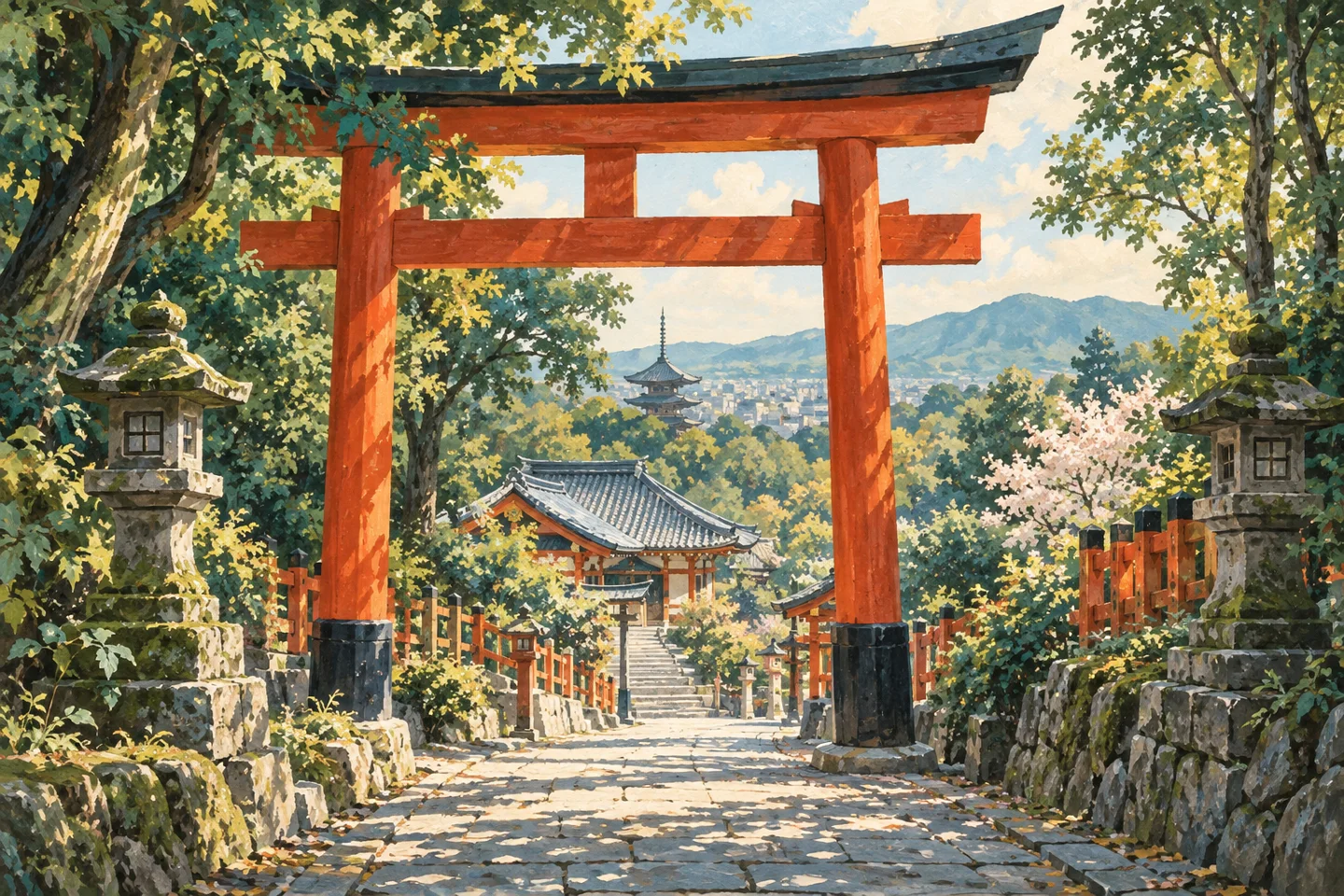
Kansai · 京都
Shrine gates, market tastes and a quieter riverside chapter.
Start with 2–3 nights · editorial starting point
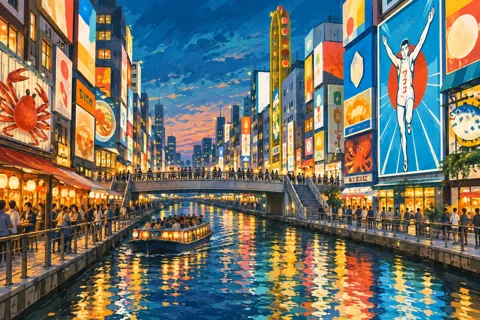
Kansai · 大阪
Canal lights, good food and a relaxed base for the region.
Start with 2–3 nights · editorial starting point
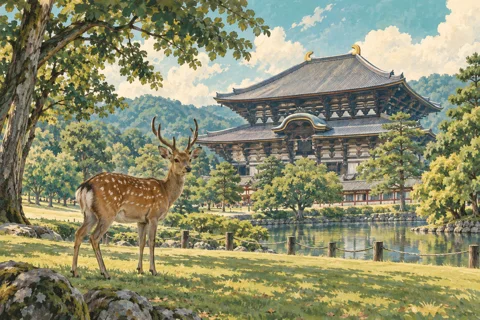
Kansai · 奈良
Ancient temples, wild deer and old-town lanes worth lingering in.
A day trip or 1–2 nights · editorial starting point
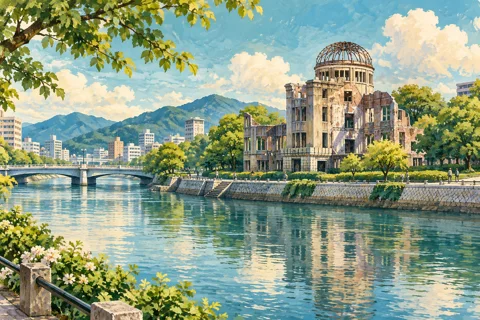
Chugoku · 広島
Remembrance, garden pauses and an island day on Miyajima.
Start with 2 nights · editorial starting point
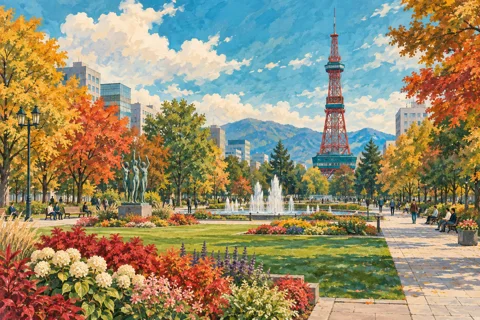
Hokkaido · 札幌
Park space, warming food and a different rhythm in winter.
Start with 2–3 nights · editorial starting point
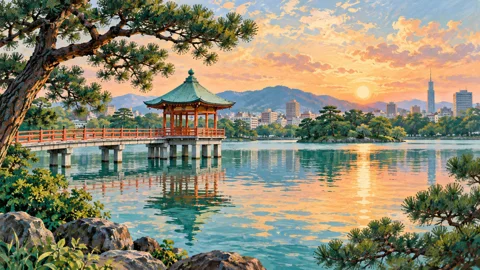
Kyushu · 福岡
Old Hakata stories, lake views and a gateway to northern Kyushu.
Start with 2–3 nights · editorial starting point
CONNECT THE DOTS
These are flexible trip ideas, not bookable packages or live transport schedules. Leave arrival and departure time around each plan.
Allow around 10–12 nights. Start with Tokyo’s neighbourhoods, spend a few days in Kyoto and finish with Osaka’s food. Add Nara as a day trip if you have room.
The Tokaido Shinkansen connects Tokyo with Kyoto and Shin-Osaka. Compare individual tickets with passes for your exact journeys.
Allow around 5–7 nights. Choose one Kansai base or split between Osaka and Kyoto. Keep day trips focused on a small area rather than an entire city.
JR, Kintetsu, Hankyu and Keihan serve different stations. Pick the operator that gets you closest to your first stop.
Allow around 7–9 nights. Leave a full day for Hiroshima’s peace sites and a separate day for Miyajima before travelling on to Hakata.
The Sanyo Shinkansen links Shin-Osaka, Hiroshima and Hakata. Book a connection that leaves time for luggage and assistance.
SMALL DETAILS, EASIER DAYS
Pick one paid highlight per day, mix in parks and neighbourhoods, and compare lunch menus. A rail pass is not automatically cheaper: total your actual journeys and check coverage before buying.
Official rail-pass guidance ↗Ask for the exact lift exit, boarding assistance and venue entrance. Short outings and read-aloud stories help with planning, but do not certify step-free access or provide navigation for blind travellers.
Official accessibility guidance ↗Pair one major visit with a park, snack and toilet break. Place cards include imagination challenges. In Nara, watch deer from a respectful distance; in Hiroshima, choose museum content with care.
Try the capital sticker game →Keep train conversations quiet, follow photography signs and protect private doorways. Eat where market vendors ask you to, and confirm ingredients rather than assuming a dish is vegetarian.
Official Japan travel planning ↗ARRIVE WITH CONFIDENCE
Arrival routes, little mistakes to avoid, and an offline checklist for every city. Checked 2026-09-22; follow the official links for current services.
Check whether you land at Haneda (HND) or Narita (NRT); they need different routes. Choose rail or an airport bus for your hotel area, then save the exact station exit and final walk. Allow for immigration and a delayed flight before booking onward travel.
Tokyo Station is large: save the operator and exit, not only the station name. Avoid combining distant neighbourhoods on arrival day.
Download Tokyo essentials (.txt)For Kansai Airport (KIX), compare the train and airport-bus options to Kyoto, then plan the final connection to your hotel. Kyoto Station is an arrival hub, not the same place as the historic lanes you may be visiting.
Leave luggage at your accommodation or an appropriate storage service before busy sightseeing. Choose one district rather than crossing the city for every stop.
Download Kyoto essentials (.txt)Check whether your flight uses Kansai (KIX) or Itami (ITM). From Kansai, choose the rail or bus service that best matches your accommodation area; save the onward local connection as well.
Osaka and Shin-Osaka are different stations. Check the exact station on a shinkansen reservation before setting off.
Download Osaka essentials (.txt)Nara has no airport. Plan from Kansai or Itami using the official access guide, comparing connections and the arrival stop with your hotel location. Check the current bus or rail timetable before travel.
JR Nara and Kintetsu-Nara are different stations. Save the correct one for your return journey; do not rely on just the city name.
Download Nara essentials (.txt)From Hiroshima Airport (HIJ), check airport buses to Hiroshima Station or Hiroshima Bus Center and choose the stop closest to your accommodation. Allow extra time for traffic and queues, especially on your return to the airport.
Hiroshima Station and the Peace Memorial Park area require a separate local connection or walk. Keep a museum visit and your onward train comfortably apart.
Download Hiroshima essentials (.txt)From New Chitose Airport (CTS), check the JR service toward Sapporo and the onward route to your accommodation. Verify your flight airport: New Chitose and Okadama are different airports.
In winter, allow extra time for icy pavements and transport disruption. Check a step-free route rather than assuming an underground entrance has a lift.
Download Sapporo essentials (.txt)Fukuoka Airport’s subway station connects to the domestic terminal. If arriving internationally, check the terminal-transfer instructions before following subway signs. Choose Hakata or Tenjin onward connections to match your hotel.
Hakata is the main shinkansen station. Do not confuse it with Nishitetsu Fukuoka (Tenjin); save your operator and exact station name.
Download Fukuoka essentials (.txt)Check the operator, station, platform and destination before boarding. An IC card works on many local services, but is not a universal ticket or a rail pass. Book the appropriate ticket for limited express and shinkansen journeys; check seat and large-luggage rules with the operator. Compare individual fares before buying a pass.
Official guidance ↗Queue where marked, keep calls off local trains and give priority seats to people who need them. Follow photography signs, remove shoes where requested and carry a small bag for your rubbish. Do not photograph people without permission or block residential entrances.
Official guidance ↗Fish stock can appear in dishes that look vegetarian. Ask about sauces and broth as well as the main ingredient. Prepare a clearly translated dietary or allergy card before travel and show it to staff; a phrase alone does not confirm safe preparation. Useful questions: “Eigo no menyū wa arimasu ka?” (Do you have an English menu?) and “Niku ya sakana wa haitte imasu ka?” (Does it contain meat or fish?).
Official guidance ↗Check that your phone supports your chosen SIM or eSIM before buying. Save your hotel name and address in Japanese, arrival route, reservations and a local map while online. Carry a charged power bank and some cash; do not depend on a single phone or payment method. Download the city essentials below for a text copy that works without internet.
Official guidance ↗Check the forecast close to departure. Plan shade, water and indoor breaks in hot weather; bring layers and rain protection for changeable days. In winter, check snow and ice conditions before walks. Allow flexibility for weather disruptions rather than packing every day with timed bookings.
Official guidance ↗Save a toilet and a seated break near each outing, checking venue opening hours. Ask operators about lifts, step-free entrances, boarding assistance and stroller arrangements before committing to a route. A temple or station may have stairs even when the surrounding area is level. Blind travelers can request staff assistance; arrange support ahead when needed.
Official guidance ↗Choose one neighbourhood and one main stop after arrival. Leave time for station exits, luggage storage and breaks. Save the last return service before an evening outing. Police: 110. Ambulance or fire: 119. Keep your accommodation contact available offline.
Official guidance ↗Text downloads can be read offline with a screen reader. They contain a checklist you can copy or print; live maps, tickets and timetables still need their own saved copies.
Use the interactive trip checklist →Save places inside each guide, put your stops in My trip, and bring Tokyo, Kyoto and Osaka’s existing city badges into your explorer passport.
Japan collection updated 22 September 2026. Check linked operators and venues for current conditions. More Japanese destinations remain in the atlas.